
Commission Testing
The Need for Commission Testing
Prior to activation, new or updated electrical equipment must undergo commissioning testing to verify its functionality. As a premier commission testing company, KROON adheres to the trusted NETA Acceptance and Testing Standard. This rigorous process involves comprehensive tests to ensure that your components are prepared for initial energization. By identifying and addressing potential issues early, we help prevent problems before they arise, ultimately saving both time and money.
Do you have newly installed or upgraded electrical systems? Ensure their readiness and safety before activation. At KROON, we provide peace of mind by guaranteeing that your electrical systems are reliable and prepared to perform seamlessly.
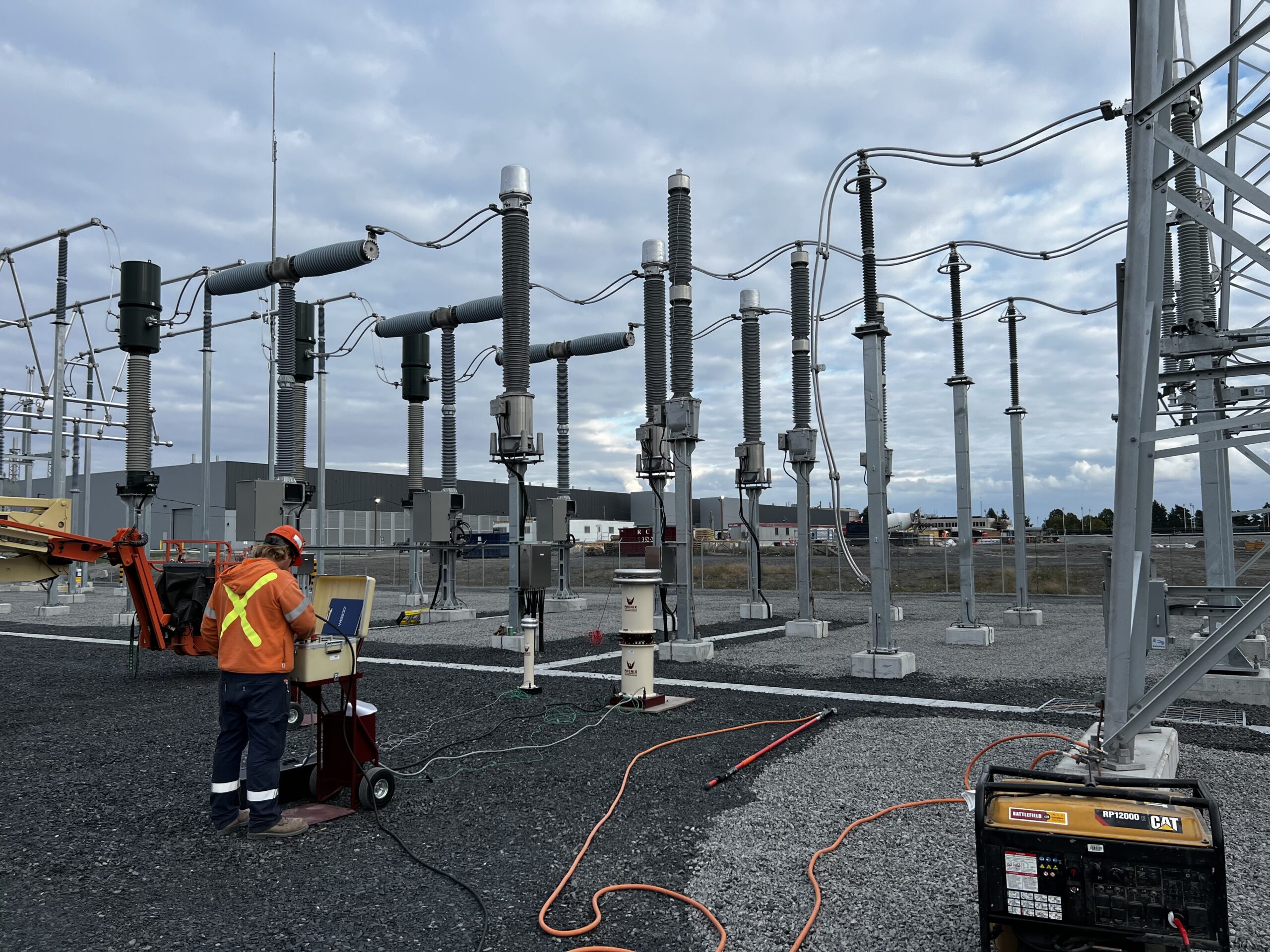
Tailored Testing for Your Needs
With KROON, you can count on the following:
- Attention to Detail
- Commitment to Quality
- Reliability and Safety
- Standards Compliance
- Customized Plans
- Peace of Mind
What is commissioning and acceptance testing?
Commissioning and acceptance testing is the process of verifying that newly installed or recently upgraded electrical equipment is functioning correctly and safely before it is energized for the first time. Testing confirms that all components have been installed in accordance with design specifications, that protective devices operate as intended, and that the system is safe and ready for service.
Why is commissioning testing important?
Commissioning testing identifies installation defects, wiring errors, equipment faults, and configuration issues before a system is put into service. Catching these problems early prevents equipment damage, safety incidents, and costly repairs that would otherwise occur after energization. It also provides documented evidence that the system was installed and tested to the required standards — supporting warranty claims, insurance requirements, and regulatory compliance.
What standard does KROON follow for commissioning testing?
KROON adheres to the NETA Acceptance Testing Standard, which is the recognized industry standard for commissioning and acceptance testing of electrical equipment and systems in North America. This rigorous standard ensures that all testing is performed consistently, thoroughly, and to a level that provides confidence in the system’s readiness for service.
What types of electrical systems does KROON commission?
KROON provides commissioning and acceptance testing for a broad range of electrical systems and equipment including switchgear, transformers, circuit breakers, protective relays, motor control centers, cables, and power distribution systems across low, medium, and high voltage applications. Both new installations and upgraded or retrofitted systems can be commissioned by KROON.
What does KROON's commissioning testing process involve?
KROON works closely with each client to develop a tailored commissioning testing plan based on the specific equipment and system being commissioned. Testing typically includes visual inspections, insulation resistance testing, contact resistance testing, functional testing of protective devices, relay testing, and verification of control and protection schemes. All results are documented in a detailed commissioning report.
Does KROON provide commissioning documentation?
Yes. KROON provides comprehensive commissioning documentation including test results, equipment data, and sign-off records. This documentation is essential for regulatory compliance, insurance purposes, and future maintenance reference. It also supports the handover process between contractors and facility operators.
Where does KROON provide commissioning and acceptance testing services?
KROON provides commissioning and acceptance testing throughout Quebec, and through its network of subsidiary companies, across the rest of Canada.
How do I arrange commissioning testing with KROON?
Contact KROON at 1-866-909-8344 or through the request form at kroon.ca. Our team will review your project scope and develop a commissioning testing plan tailored to your equipment, timeline, and compliance requirements.